


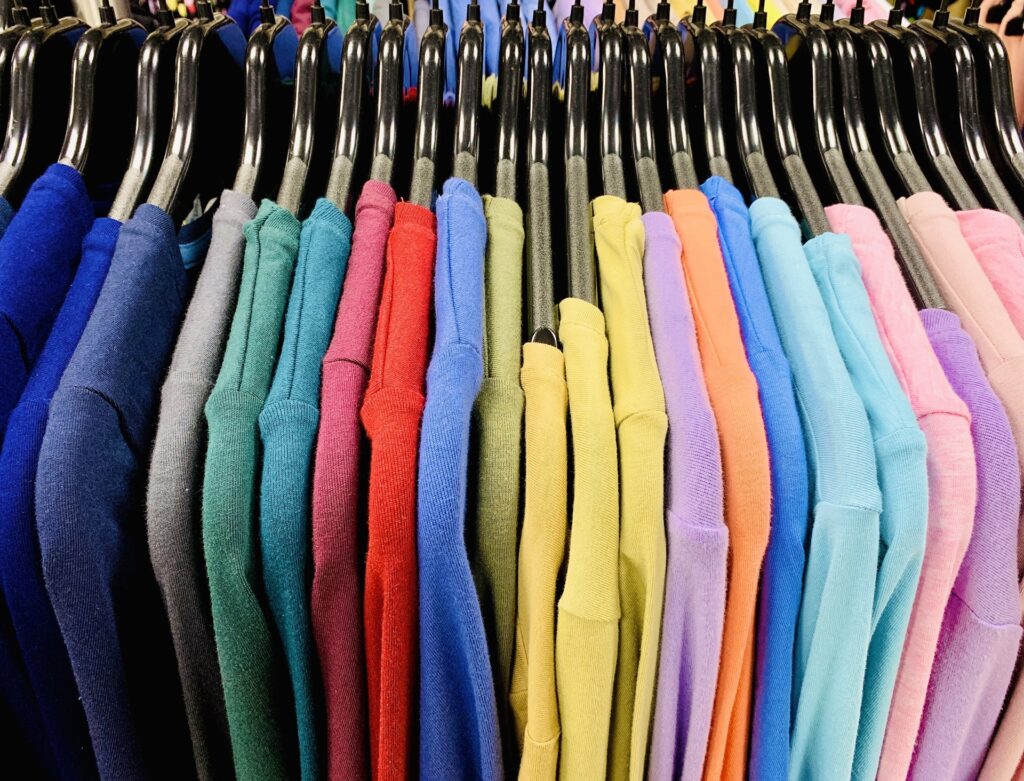
The Textile & Value Added Garments in Pakistan sector is the backbone of the country’s economy, playing a vital role in industrial growth, employment, and exports. For decades, Pakistan has been known worldwide for its cotton and textile products, and today, the industry continues to thrive as one of the largest contributors to foreign exchange earnings. From yarn to finished apparel, the textile value chain is well integrated, especially in Faisalabad, which is often called the “Manchester of Pakistan.”
With a consistent global demand for affordable yet quality apparel, the Textile & Value Added Garments in Pakistan sector presents enormous opportunities for growth, modernization, and international partnerships.

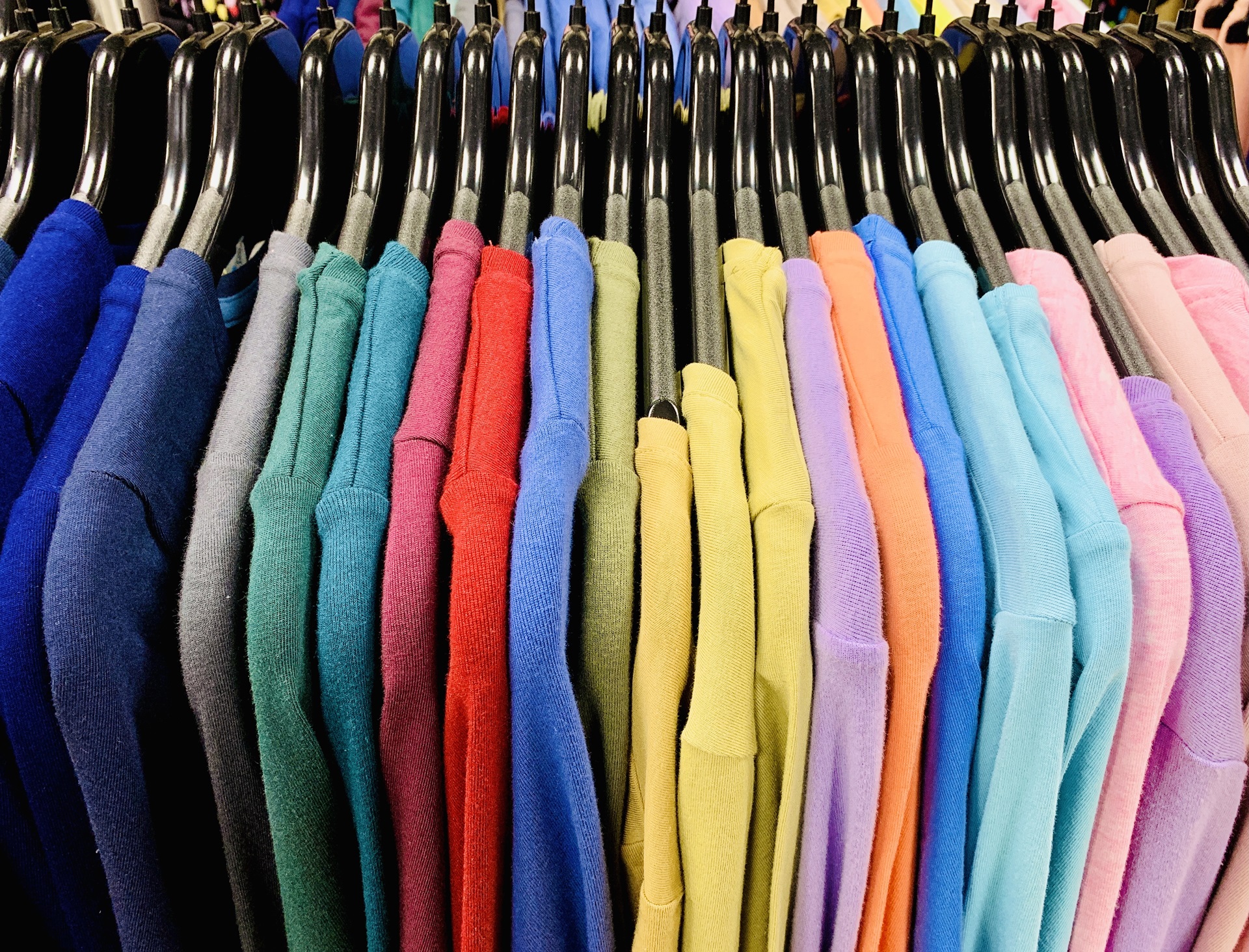
Importance of Textile & Value Added Garments in Pakistan
The Textile & Value Added Garments in Pakistan industry contributes nearly one-fourth of the country’s total industrial value-added exports and employs almost 40% of the industrial labor force. Around 61% of Pakistan’s total exports come from textiles, making it the single largest export-oriented sector.
Globally, the textile and apparel market is valued at over $1.2 trillion. With steady growth projections, Pakistan has a strong chance to capture a larger share by upgrading its value-added garment production and meeting international quality standards.
Export Performance of Textile & Value Added Garments in Pakistan
In 2021, Pakistan’s textile exports crossed USD 17 billion, reflecting the sector’s resilience despite global challenges. Ready-made garments, one of the most prominent segments of Textile & Value Added Garments in Pakistan, showed massive growth of over 33% in quantity and 26% in value. Other products like socks, towels, bed sheets, tents, and industrial grey cloth also contributed strongly.
Moreover, Pakistan benefits from the relocation of labor-intensive industries from China. Under the China-Pakistan Free Trade Agreement (CPFTA II), opportunities for re-export of finished goods to China provide an additional competitive edge for the Textile & Value Added Garments in Pakistan sector.
Investment Opportunities in Textile & Value Added Garments in Pakistan
The government of Punjab and private investors are increasingly focusing on strengthening the Textile & Value Added Garments in Pakistan sector through modernization and value addition. Some of the key investment opportunities include:
- Upgradation of Testing & Certification Labs to ensure international compliance.
- Artificial Fiber (Man-Made Fiber) Production Plants to meet the rising global demand.
- Buying Houses in Major Textile Clusters to strengthen international sourcing and trading.
- Capacity Building & Skill Development for industrial labor to meet high-quality standards.
- Diversification of Products such as fashion apparel, technical textiles, and home textiles.
These steps will not only boost exports but also make the Textile & Value Added Garments in Pakistan sector more competitive globally.
Pak Schemes
Challenges for Textile & Value Added Garments in Pakistan
Despite its strengths, the Textile and Value Added Garments in Pakistan industry faces some challenges that need urgent attention:
- Energy shortages and high electricity costs reduce competitiveness.
- Outdated machinery in some units limits production efficiency.
- Lack of innovation in fashion design compared to global competitors.
- Limited processing and finishing facilities for value-added products.
Addressing these gaps through policy reforms and private sector investment will ensure that the Textile & Value Added Garments in Pakistan sector maintains sustainable growth.
Future Outlook of Textile & Value Added Garments in Pakistan
With increasing global demand for cost-effective textile products, the Textile & Value Added Garments in Pakistan sector is set to remain the country’s leading export earner. Continuous investment in technology, renewable energy solutions for production, and brand-building initiatives can transform Pakistan from a raw cotton exporter to a hub of high-quality garments.
Faisalabad, Lahore, and Karachi are expected to become major international textile hubs, attracting foreign buyers and strengthening Pakistan’s trade profile.
(Authority Sources)
- Pakistan Bureau of Statistics – Textile Exports
- Trade Development Authority of Pakistan (TDAP)
- Pakistan Textile Council
Conclusion
The Textile & Value Added Garments in Pakistan industry is more than just an economic sector; it is the livelihood of millions of people and a driver of foreign exchange earnings. By modernizing factories, enhancing labor skills, and diversifying exports, Pakistan can strengthen its position in the global textile supply chain.
With government support, private investment, and global partnerships, the future of Textile & Value Added Garments in Pakistan looks promising, paving the way for sustainable growth and prosperity.